
- Book your home inspection online today and save $25 on your next inspection! BOOK NOW!
-
 617-615-9559
 617-615-9559
Fill up the form and we will reach out to help you set up a suitable time slot for your property inspection.
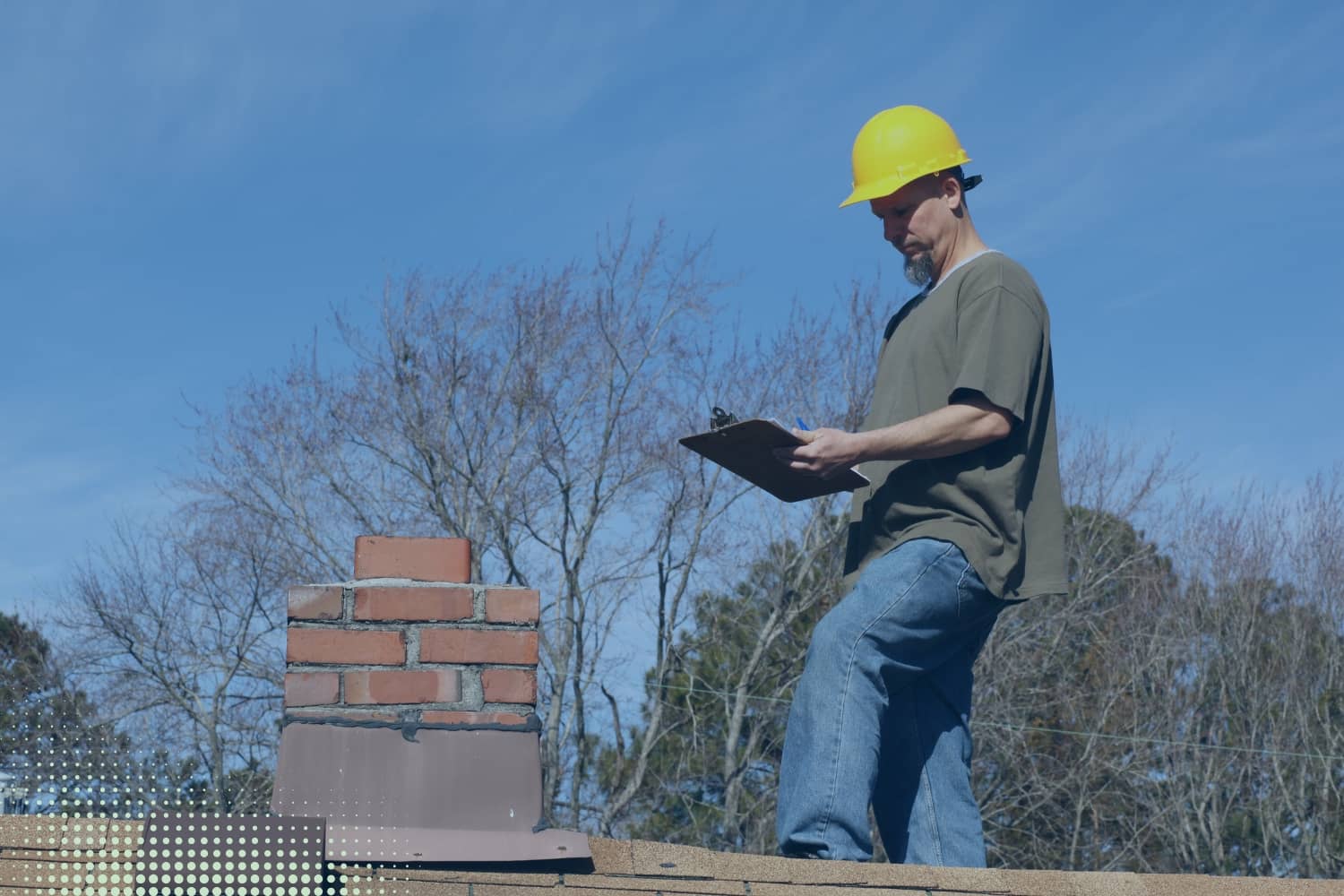
A home inspection helps assess the condition of the roof by visually examining its materials, critical components, and related interior areas. This evaluation allows for the identification of signs of damage, aging, or improper installation. Since the roof plays a crucial role in protecting the entire home, even minor issues can lead to leaks, moisture intrusion, and costly repairs if left unnoticed. A professional roof inspection conducted during a home appraisal offers an initial assessment of the roof’s condition at the time of inspection.
While a home inspection does not replace a specialized roofer’s inspection, it gives homeowners, buyers, and sellers a reliable snapshot of the roof’s overall condition. This insight empowers individuals to make informed decisions, plan maintenance or repairs, and prevent unexpected challenges during a real estate transaction. Understanding roof condition early can help protect your home, your budget, and your peace of mind.
When inspectors talk about roof condition, they are not predicting exactly how long a roof will last. Instead, they are assessing how the roof appears to be performing at the time of the inspection.
Roof condition generally includes:
The visible state of the roofing materials
Signs of wear, damage, or deterioration
How effectively water is directed away from the home
Whether the roof components appear properly installed
A roof may appear perfectly fine from a distance, yet it may still reveal warning signs when examined more closely. That is why roof inspection is a critical part of a professional home inspection.
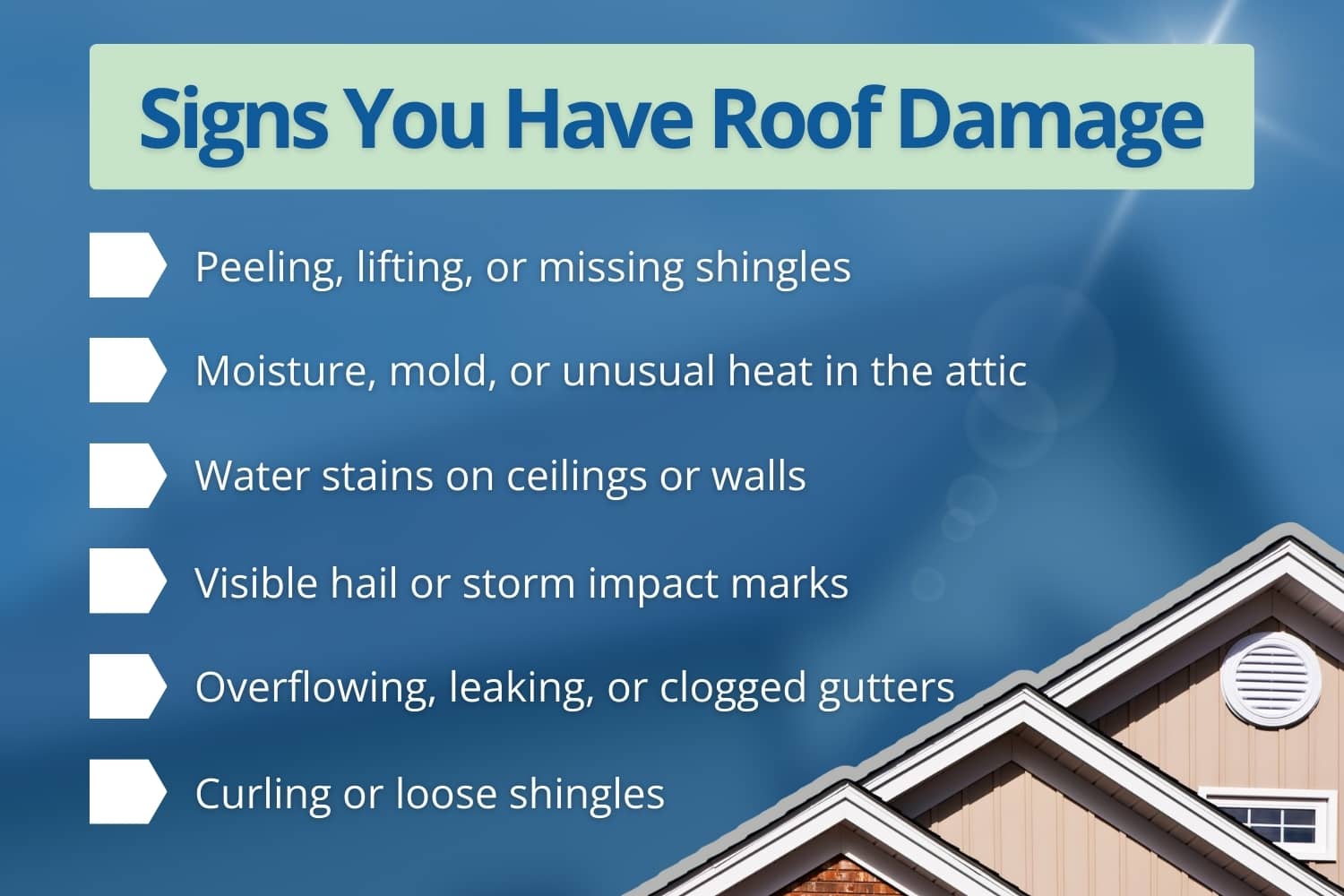
The roof is your home’s first line of defense against rain, wind, heat, and debris. When roof issues persist unaddressed, water can seep into the house, causing extensive damage that goes beyond the roof’s structural integrity.
Water damage is one of the most common and costly issues homeowners face. In the U.S., about 1 in 60 insured homes files a water damage claim each year, and water damage accounts for nearly 30% of all home insurance claims, second only to wind and hail-related losses. Even small leaks can cause costly issues if left untreated.
Poor roof condition can lead to:
Interior water stains that weaken ceilings and walls
Mold growth, which can be costly and harmful to indoor air quality
Damaged insulation, reducing energy efficiency
Structural wood rot, which may compromise framing
According to Modernize Home Improvement Cost Data, the average cost of many roof repairs ranges from approximately $350 to $1,900; however, costs can escalate quickly if water damage leads to secondary issues, such as mold remediation or attic repairs. Many roofing problems start small and worsen over time. Catching them early through a professional home inspection helps reduce long-term repair costs and prevents unexpected disruptions, saving homeowners both money and stress.
Roof inspection is an integral part of a thorough home inspection, conducted within the bounds of professional conduct.
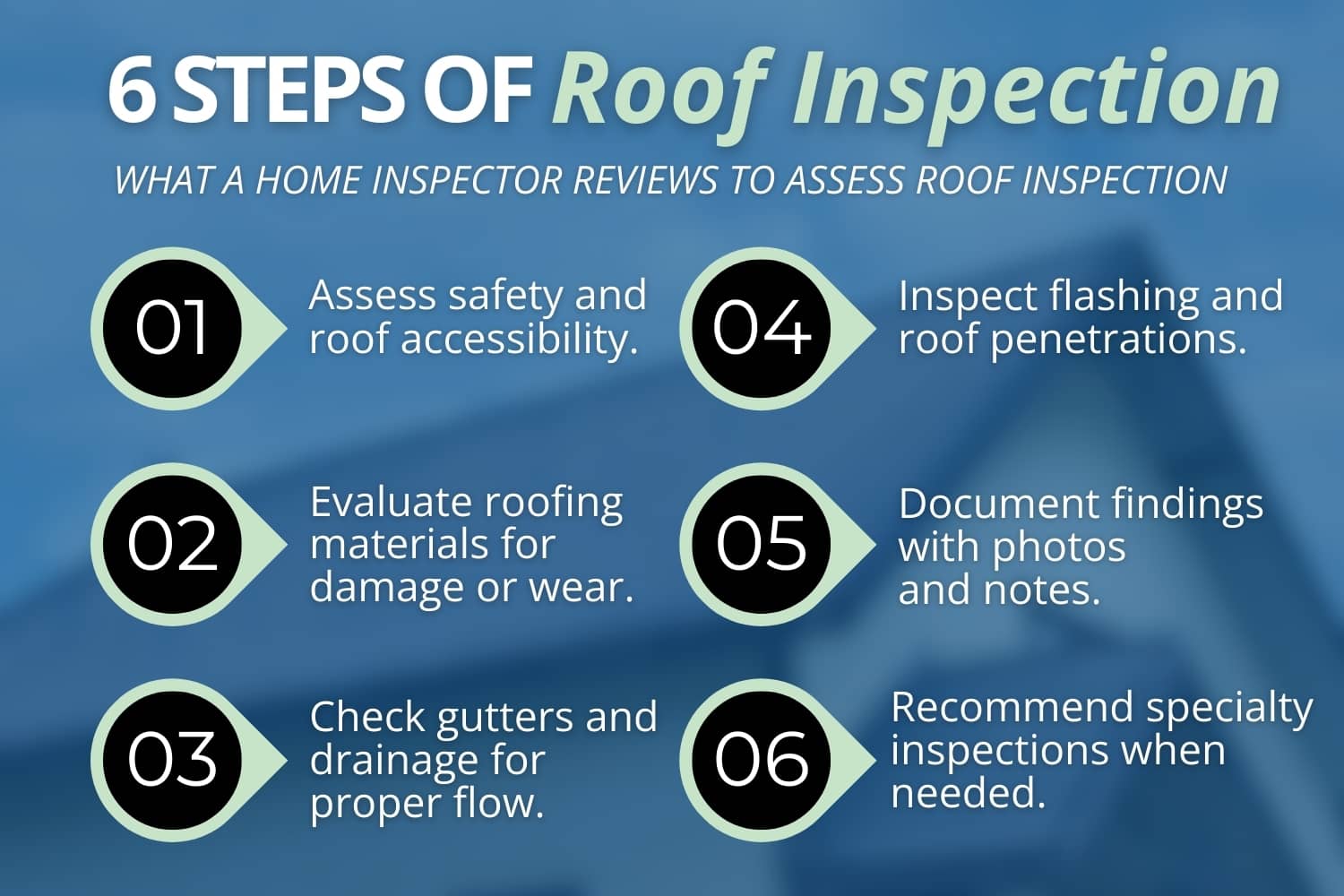
During this process, inspectors typically:
Visually assess accessible roof surfaces
Observe roof edges, slopes, and penetrations
Look for related attic or interior clues
Follow safety guidelines that may limit access
Inspectors do not remove roofing materials or perform destructive testing. Their role is to identify visible concerns and recommend further evaluation when needed.
From the exterior, home inspectors assess visible conditions that show how the roof is performing against weather and age. This includes checking for missing, cracked, curling, or deteriorated roofing materials that can compromise water protection.
Inspectors also look for uneven roof lines, sagging areas, signs of storm damage, and evidence of prior repairs.
Exterior evaluations play a crucial role in assessing the overall condition of a roof, as they often provide early clues about underlying issues.
Roof condition cannot be evaluated the same way for every home. Different roofing materials are engineered to perform differently, respond to weather in unique ways, and exhibit wear at distinct stages of their lifespan. Because of this, home inspectors assess roof condition through a material-specific lens rather than applying a one-size-fits-all standard.
Common examples include:
Asphalt shingles, which may show curling, cracking, or granule loss as they age
Metal roofs, which may show loose fasteners, corrosion, or panel movement
Tile roofs, which may have cracked, broken, or displaced tiles
Flat roofs, which may show pooling water, surface wear, or membrane deterioration
Each material provides different visual clues about its condition and performance. Understanding these differences allows inspectors to interpret findings more accurately, explain risks more clearly to homeowners, and recommend appropriate next steps when concerns are identified. This material-based approach helps ensure roof condition assessments are both realistic and aligned with roofing industry standards.
The condition of a roof is not determined solely by its surface materials; rather, it is influenced by the interaction of various supporting components that work together to divert water away from the home and protect vulnerable areas of the roof.
Home inspectors closely evaluate flashing around chimneys, vents, skylights, and other roof penetrations, since these areas are common sources of leaks when flashing is missing, damaged, or improperly installed.
Inspectors also review roof valleys and transitions where water naturally flows in higher volumes, as well as roof edges, fascia, and soffits when visible. Problems in these areas can signal poor drainage, moisture exposure, or deterioration beneath the surface. By assessing these components together, a home inspection provides a clearer picture of how well the roof is protecting the home and whether further evaluation may be needed.
Gutters and drainage systems are crucial for the overall performance of a roof, as they effectively divert water away from the roof surface and foundation. When drainage is ineffective, water can back up under roofing materials, collect along roof edges, or spill toward the structure, increasing the risk of moisture damage.
During a home inspection, inspectors look for clogged or damaged gutters, improper slope, and signs of overflow or staining. These conditions can indicate persistent drainage issues that put additional strain on the roof system. Poor drainage can shorten the roof’s lifespan and contribute to leaks, making it crucial to assess gutters and water flow to gauge the condition of the roof.
Not all roof problems can be identified from the exterior. In many cases, the earliest or most telling signs of roof issues appear inside the home, particularly in attic spaces where moisture, ventilation, and insulation conditions are closely tied to roof performance. For this reason, interior and attic observations play an important supporting role in assessing the overall condition of a roof.
Inspectors look for:
Water stains on ceilings or walls
Damp insulation or exposed wood framing
Mold-like growth or persistent moisture odors
Ventilation issues that can trap heat and moisture
These interior findings often help confirm exterior observations or reveal problems that are not yet visible on the roof surface. When reviewed together, attic and interior clues provide a more complete picture of how well the roof is protecting the home and whether further evaluation or corrective action may be needed.
A home inspection can help identify potential roof issues before they escalate into costly repairs. Inspectors look for patterns that suggest wear, moisture intrusion, or improper installation rather than focusing on a single defect.
|
Roof Issue Observed |
What It May Indicate |
Why It Matters |
|---|---|---|
|
Missing or damaged shingles |
Wind damage, aging materials, or poor installation |
Exposes the roof to water intrusion and accelerates deterioration |
|
Worn or loose flashing |
Improper sealing around roof penetrations |
A leading cause of roof leaks, even when shingles appear intact |
|
Granule loss on shingles |
Normal aging or excessive weather exposure |
Reduces UV protection and shortens roof service life |
|
Sagging or uneven roof areas |
Structural stress or moisture damage |
May indicate deeper issues that require further evaluation |
|
Interior water stains or damp insulation |
Active or past roof leaks |
Signals moisture intrusion that can lead to mold or wood rot |
Early detection allows homeowners to plan repairs, monitor developing concerns, or seek further evaluation when needed.
Roofing professionals consistently emphasize that early identification of issues is essential for minimizing long-term damage.
Roof condition is shaped by ongoing exposure to the elements.
Contributing factors include:
Sun exposure and temperature changes
Heavy rain, wind, and storm events
Debris buildup from nearby trees
Moisture retention in shaded areas
These conditions help explain why roof issues can develop gradually, even when a roof looks fine at first glance.
It is important to understand the limits of a visual inspection.
A home inspection cannot:
See hidden damage beneath roofing materials
Predict the exact remaining roof lifespan
Evaluate areas that are unsafe or inaccessible
When findings fall outside the scope of a visual inspection, inspectors may recommend evaluation by a licensed roofing professional. This approach supports informed decisions without unnecessary alarm.
For buyers, roof condition plays a major role in planning and negotiations. Inspection findings may influence repair requests, credits, or pricing adjustments and help buyers prepare for future maintenance costs.
Clear inspection documentation supports informed decisions and smoother transactions.
Is roof inspection included in a standard home inspection?
Yes, roof inspection is a standard part of a professional home inspection. This visual and non-invasive inspection focuses on accessible areas of the roof and related components to identify visible concerns. The objective is to assess the condition, not perform repairs or testing.
Can a home inspection detect roof leaks?
A home inspection can identify visible signs of roof leaks, such as water stains, moisture damage, or damp insulation. However, hidden leaks or damage beneath roofing materials may not be detectable during a visual inspection. Further evaluation may be recommended if concerns are observed.
Can a home inspection estimate the roof’s lifespan?
Home inspectors can note signs of aging, wear, and overall condition, which help indicate whether a roof may be nearing the end of its service life. However, inspectors do not guarantee remaining lifespan or predict exact replacement timelines. Roof longevity depends on many factors beyond what can be observed visually.
When should a specialized roof inspection be scheduled?
A specialized roof inspection is typically recommended when a home inspection identifies significant concerns, active leaks, or structural issues. It may also be useful for older roofs or after severe weather events. A licensed roofing professional can provide a more detailed evaluation when needed.
A home inspection plays a crucial role in helping homeowners understand the condition of their roofs and identify potential issues before they escalate into costly problems. By examining visible roofing materials, critical components, and related interior clues, a professional inspection offers valuable insights into the roof’s performance at the time of the inspection. This information empowers homeowners, buyers, and sellers to make informed decisions, plan necessary maintenance or repairs, and minimize the likelihood of unexpected challenges.
Whether you’re buying a home, preparing to sell, or staying proactive with routine maintenance, a professional home inspection is a valuable step.
R&C Inspectors provides clear, objective evaluations and straightforward explanations so you can better understand your roof and the overall condition of your home. Serving homeowners throughout Weymouth, Massachusetts, their experienced inspectors bring local expertise and regional insight to every evaluation, ensuring you get practical, relevant guidance for your property.