
- Book your home inspection online today and save $25 on your next inspection! BOOK NOW!
-
 617-615-9559
 617-615-9559
Fill up the form and we will reach out to help you set up a suitable time slot for your property inspection.
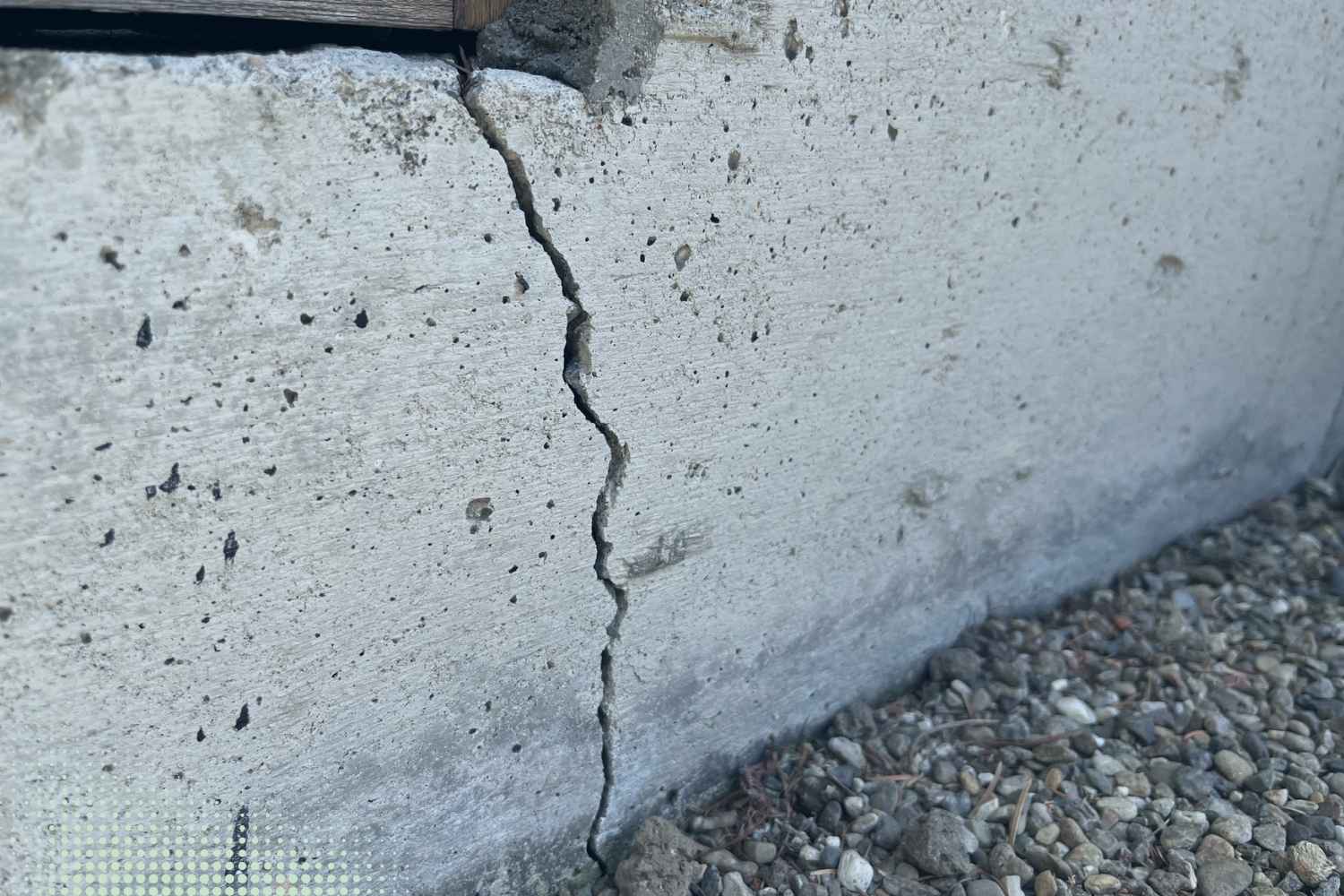
A healthy home begins below ground level. The foundation quietly carries the structural weight of the entire property, yet it often receives attention only when visible problems appear. One of the most alarming discoveries during a home inspection is a crack in a basement wall or floor. While some cracks are minor cosmetic imperfections, others signal structural stress that requires professional evaluation and basement foundation crack repair.
From a home inspection perspective, the goal is not simply to point out damage but to understand why the crack formed and whether it poses a risk to the structural integrity of the home. Horizontal cracks in particular raise immediate concern because they frequently indicate external pressure pushing inward on the wall.
Understanding the difference between cosmetic cracks and structural warning signs can help homeowners respond early and prevent more serious damage.
Foundation cracks form when forces acting on the structure exceed the material’s capacity to resist movement. One of the most common forces is hydrostatic pressure.
Hydrostatic pressure develops when water accumulates in the soil surrounding a foundation. The heavier and wetter the soil becomes, the more force it exerts on the basement wall.
Even a relatively shallow column of saturated soil can exert substantial pressure. Engineering data shows that four feet of saturated soil can apply about 250 pounds of pressure per square foot against a basement wall.
Over time, this persistent pressure can cause concrete to crack, bow inward, or allow water infiltration.
Several site conditions commonly contribute to this buildup of pressure:
Poor exterior drainage
Improper grading around the foundation
High groundwater levels
Freeze and thaw cycles that expand the soil
When these conditions persist, the resulting stress can lead to visible cracking and structural movement.
Not all cracks indicate the same level of risk. During inspections, horizontal cracks receive special attention because they often indicate lateral pressure from outside soil pushing against the wall.
Because the top and bottom of the wall are restrained by the building structure and footing, the center of the wall becomes the weakest point. As the pressure increases, the middle section may begin to bow inward, eventually forming a horizontal crack.
Engineering research confirms that lateral soil movement commonly results in long horizontal cracks or inward bowing of basement walls.
A small horizontal crack may initially appear harmless. However, if ignored, it can widen, allow water intrusion, and eventually compromise the structural stability of the wall.
Inspectors often monitor several key indicators:
Length of the crack
Wall bowing or displacement
Signs of water seepage
Interior moisture or efflorescence
If these conditions worsen, structural reinforcement may become necessary.
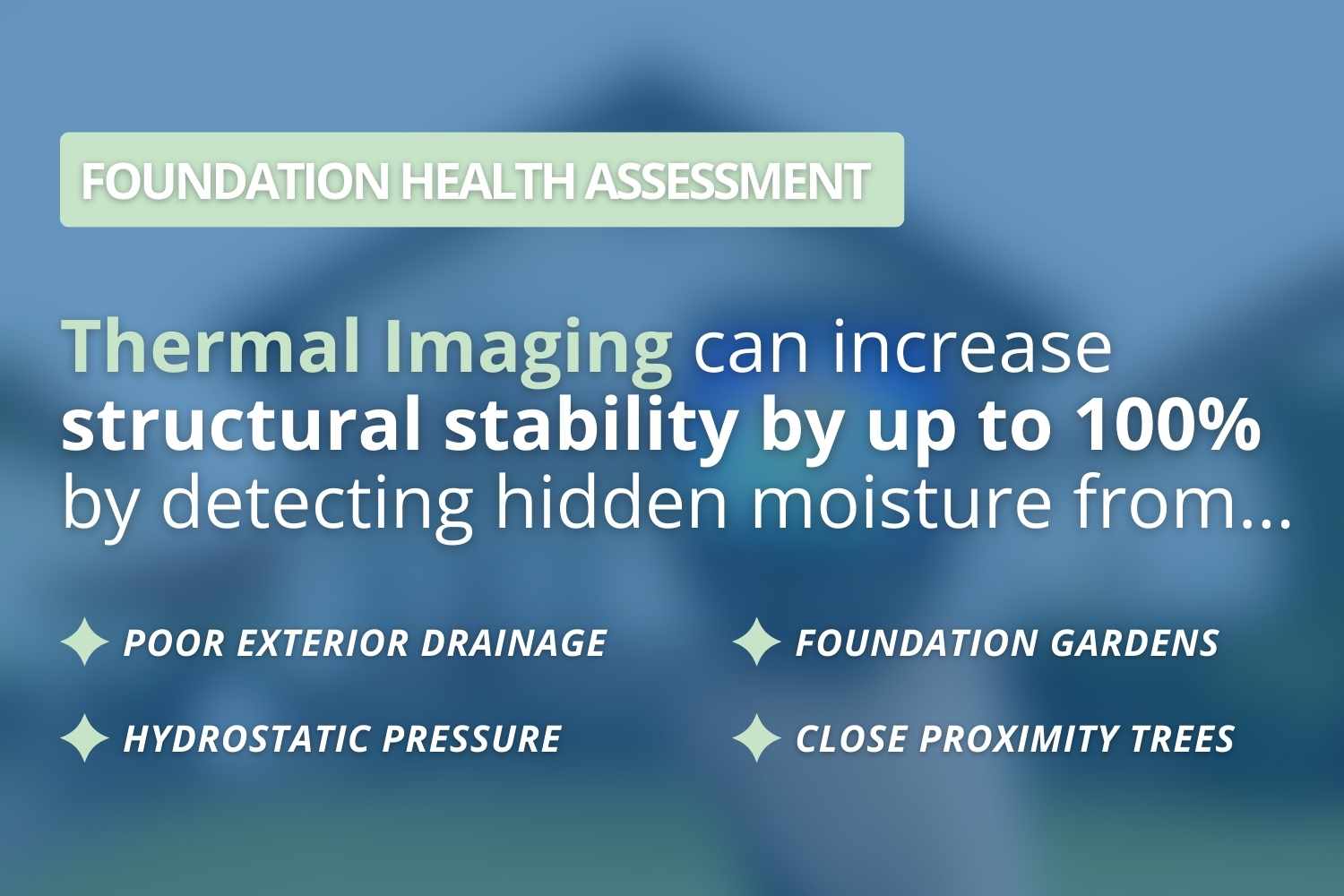
During property evaluations, inspectors often trace foundation cracks back to issues outside the home.
Improperly directed water is the most frequent contributor to hydrostatic pressure. Downspouts that terminate close to the foundation can saturate the surrounding soil and gradually increase pressure against the wall.
Routine gutter maintenance and proper drainage design are frequently discussed in educational articles, such as roof drainage inspection insights and home drainage evaluation techniques.
Foundation gardens that require constant watering can unintentionally saturate the soil near the wall. Moist soil increases pressure and can accelerate crack development.
Landscape planning guidance similar to yard grading and moisture control advice often emphasizes maintaining distance between heavy irrigation zones and the foundation.
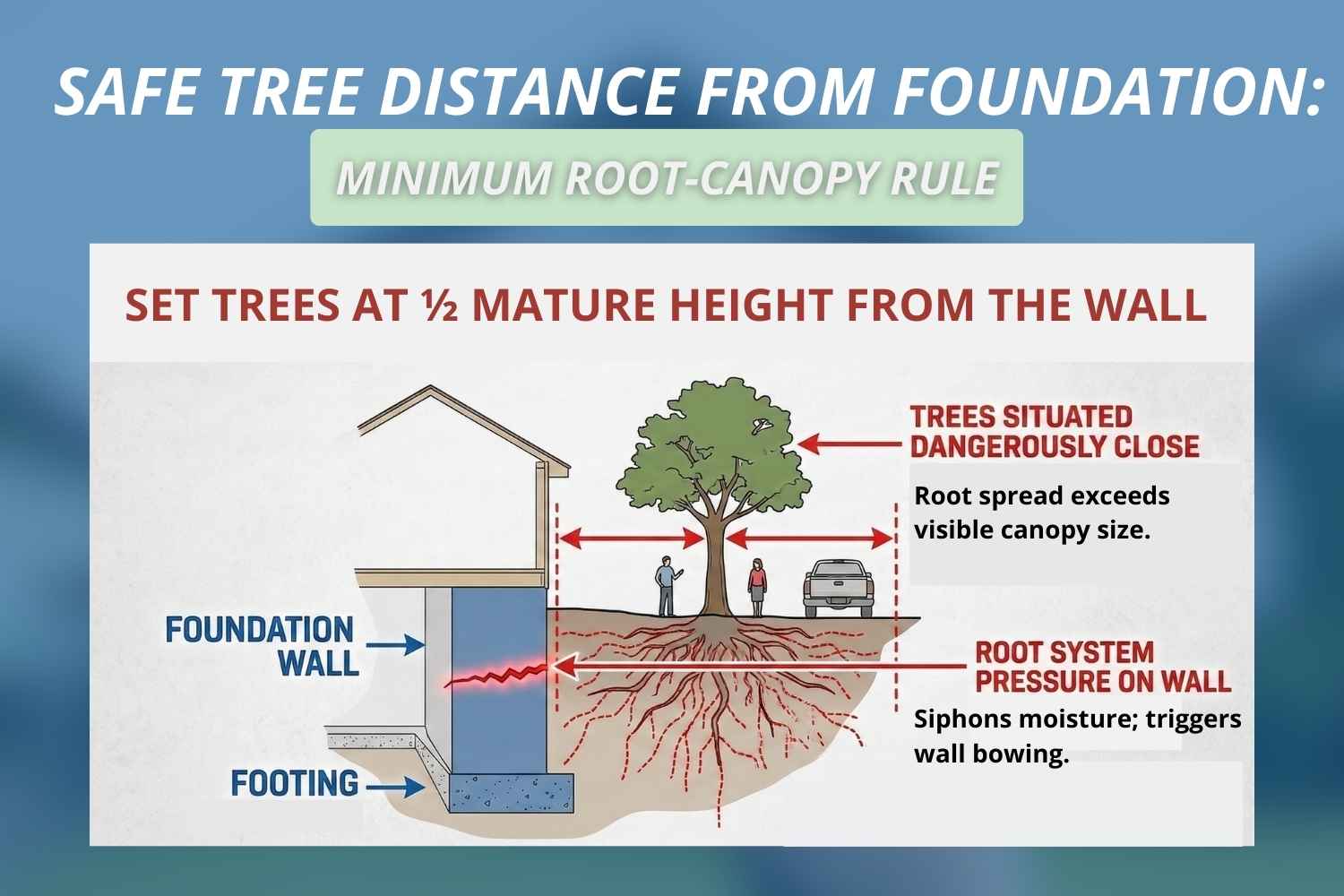
Large trees planted too close to a structure can exert mechanical pressure on the foundation while also altering soil moisture conditions.
Property maintenance discussions, like property debris and landscape management strategies, highlight how root growth and organic debris accumulation can influence soil stability.
In some cases, the issue originates during original construction. If large rocks or debris were used during backfilling, localized pressure points can develop against the foundation wall.
Inspection resources, such as construction quality inspection tips, often emphasize careful site preparation during building.
A key responsibility of a home inspector is determining whether a crack is cosmetic or structural.
Below is a simplified comparison used during evaluations.
| Crack Type | Typical Appearance | Likely Cause | Inspection Concern Level |
|---|---|---|---|
| Hairline vertical | Thin, straight line | Concrete shrinkage | Low |
| Vertical settlement crack | Wider toward the top or the bottom | Soil settlement | Moderate |
| Stair-step crack | Follows masonry joints | Soil movement or settlement | Moderate to High |
| Horizontal crack | Long and continuous across the wall | Lateral soil pressure | High |
Horizontal cracks almost always require further evaluation because they may indicate wall bowing or structural stress.
Water plays a central role in foundation deterioration.
When groundwater accumulates around the foundation, the soil behaves like a heavy sponge pressing against the basement wall.
As moisture levels rise, pressure increases. Eventually, the water finds its way through small imperfections or cracks in the concrete.
The following conditions frequently accompany water-related foundation damage:
Damp basement walls
Musty odors
Efflorescence or white mineral deposits
Mold growth within 24 to 48 hours after water exposure, according to EPA guidance
Managing moisture around the foundation is therefore one of the most important preventive strategies.
Modern home inspections rely on specialized tools that help identify hidden problems before they become serious structural failures.
Thermal cameras detect temperature differences in building materials. Moisture inside walls often changes the thermal signature of the surface.
Inspectors use thermal imaging to locate:
Hidden moisture behind drywall
Water intrusion pathways
Areas of poor insulation or condensation
Moisture meters measure the water content in building materials such as drywall, wood, and concrete.
These tools allow inspectors to determine whether a crack is actively allowing water infiltration.
| Inspection Tool | What It Detects | Why It Matters |
|---|---|---|
| Thermal imaging camera | Temperature variations from moisture | Identifies hidden water intrusion |
| Moisture meter | Water content in materials | Confirms active leaks |
| Laser level | Wall movement or bowing | Measures structural displacement |
| Crack gauge | Crack width change over time | Tracks structural movement |
Together, these tools help inspectors distinguish between a harmless cosmetic crack and a structural issue that requires further investigation.
Additional inspection methodology is often discussed in educational articles, such as advanced home inspection technology guides and structural inspection case studies.
While structural repairs should always be evaluated by professionals, homeowners can reduce the likelihood of foundation damage through several preventative measures.
Repair leaking gutters
Extend downspouts at least several feet away from the home
Maintain proper grading that slopes away from the foundation
Avoid overwatering foundation landscaping
Maintain proper drainage systems
Monitor irrigation systems
Keep large trees at a safe distance from the foundation
Trim roots that may apply pressure on the basement walls
Minor cracks should be monitored for changes over time. Signs that warrant professional evaluation include:
Increasing crack width
Wall bowing
Water seepage
Interior mold or moisture
Routine inspection guidance found in articles like annual home maintenance checklists and pre-purchase inspection advice can help homeowners identify these issues early.
Home inspectors identify warning signs, but structural engineers or foundation specialists typically determine the appropriate repair method.
If a horizontal crack is discovered, professionals may recommend solutions such as:
Steel reinforcement beams
Anchor plate systems
Concrete buttresses or pilasters
Exterior drainage improvements
These methods stabilize the wall and reduce external pressure from surrounding soil.
Ignoring structural cracks can eventually lead to severe wall movement or even partial collapse in extreme situations.
Early evaluation is therefore essential.
Are basement wall cracks always serious?
Not necessarily. Many cracks are cosmetic shrinkage cracks that occur as concrete cures. However, inspectors evaluate the crack’s orientation, size, and location to determine whether it indicates structural movement or water intrusion. Horizontal cracks or bowing walls typically require further professional evaluation.
Can foundation cracks lead to moisture problems?
Yes. The R&C Inspectors blog explains that even small cracks can allow moisture to enter a basement environment. Over time, this moisture can cause mold growth, material deterioration, and poor indoor air quality if not addressed.
When should homeowners request a professional inspection?
Homeowners should schedule a professional inspection if cracks begin to widen, water intrusion becomes visible, or walls show signs of bowing. Early inspection allows the issue to be evaluated before structural repairs become more complex and costly.
Basement foundation cracks are not just cosmetic blemishes. They are signals that something in the surrounding environment or structure is applying stress to the foundation. While some cracks are harmless, horizontal cracks demand careful attention because they often indicate external soil pressure pushing inward on the wall.
A professional home inspection helps determine whether the crack is structural or cosmetic, identify moisture-related risks, and recommend appropriate next steps. Using tools such as moisture meters and thermal imaging, inspectors can uncover hidden conditions that are not visible during a simple visual walkthrough.
If you notice cracks in your basement walls, especially horizontal cracks or signs of bowing, the safest approach is to consult a qualified inspection professional.
For expert evaluation and guidance, contact the inspection professionals at R & C Inspectors to discuss any basement foundation cracks or moisture concerns in your home.