
- Book your home inspection online today and save $25 on your next inspection! BOOK NOW!
-
 617-615-9559
 617-615-9559
Fill up the form and we will reach out to help you set up a suitable time slot for your property inspection.
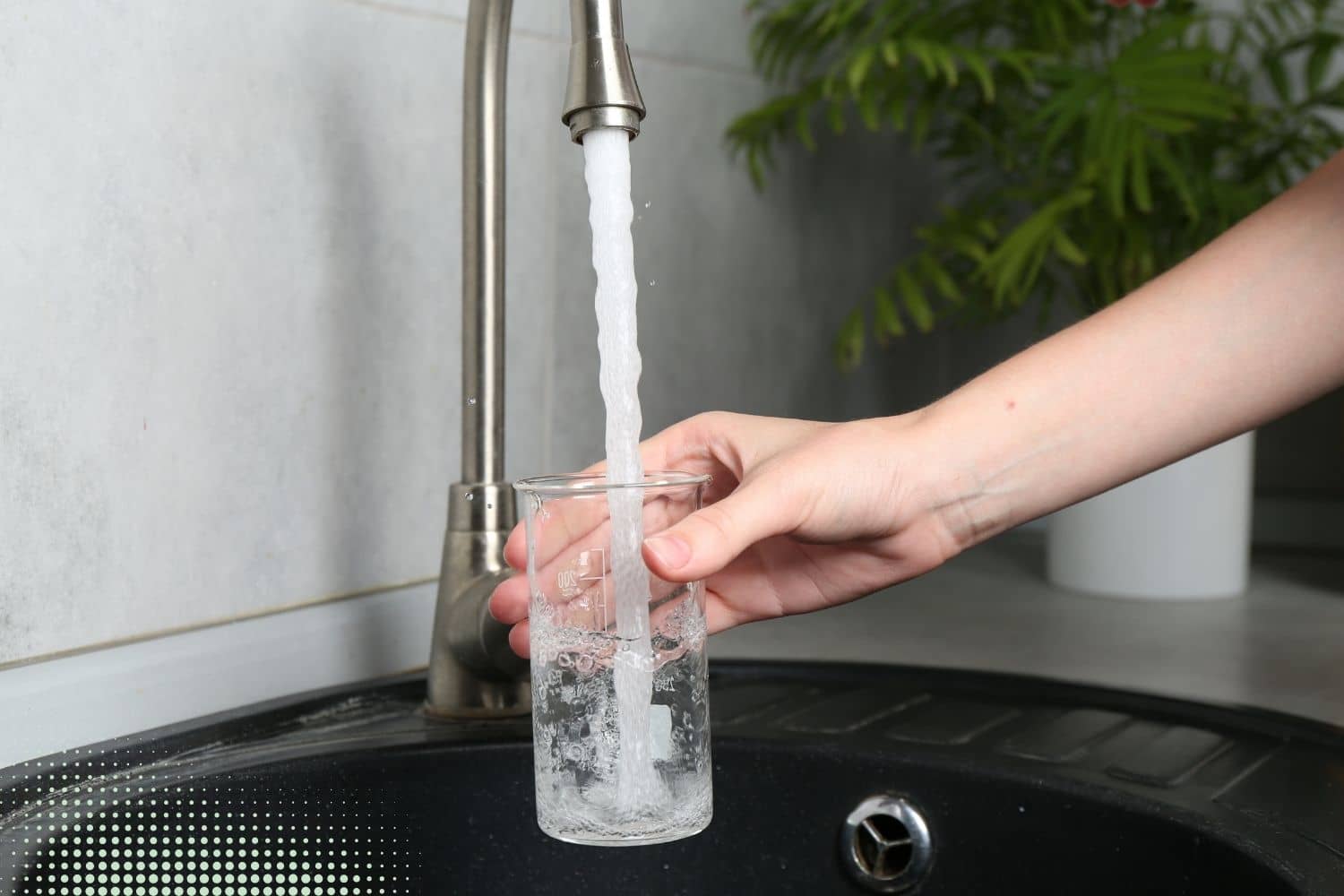
If you’re wondering how to test for lead in water at home, the short answer is this: collect a sample from a tap you use often and send it to a certified laboratory, since lead can’t be seen, tasted, or smelled. Home test strips can offer a rough first look, but they aren’t accurate enough to act on alone.
At R&C Inspectors, this is one of the questions we hear most from homeowners in older Greater Boston homes, especially those built before the 1986 nationwide ban on lead pipes and solder. Below, we’ll walk through how testing actually works, how common lead really is in this area, and what other contaminants are worth checking at the same time.
Before getting into how to test for lead in water yourself, it helps to know how likely the problem is in this area. Lead is not something the water utility adds to the water supply. It gets into tap water when the pipes or solder connecting a home to the water main corrode, which mostly affects homes built before 1940, when lead service lines were still common practice.
Boston’s own numbers illustrate the scale of the issue. The Boston Water and Sewer Commission has identified roughly 3,000 lead service lines still supplying homes citywide, and officials have said the real number could be higher since many properties haven’t been inventoried yet. BWSC now offers free replacement for property owners who have one.
Weymouth and the surrounding South Shore towns share the same housing stock pattern: a mix of early-1900s triple-deckers and colonials alongside newer construction. If your home (or the service line running to it) predates 1986, testing is worth doing even if the water looks and tastes completely normal.
| DIY Test Strips/Kits | Certified Lab Test | |
|---|---|---|
| Accuracy | Low — color-change strips are a rough screen, not a precise reading | High — measured in parts per billion |
| Cost | $10–$25 | $20–$60+ depending on the lab and turnaround |
| Turnaround | Minutes | Several days to a few weeks |
| Good for | A quick first check if you’re worried | Real estate transactions, health decisions, confirming a problem |
| Limitation | Not accurate enough to rule lead in or out with confidence | Requires following exact sampling steps or results are invalid |
If a DIY kit shows anything unusual, or if you simply want a confident answer, follow up with certified lab testing. Many local water departments, including BWSC and MWRA-served communities, can also point residents toward sampling programs.
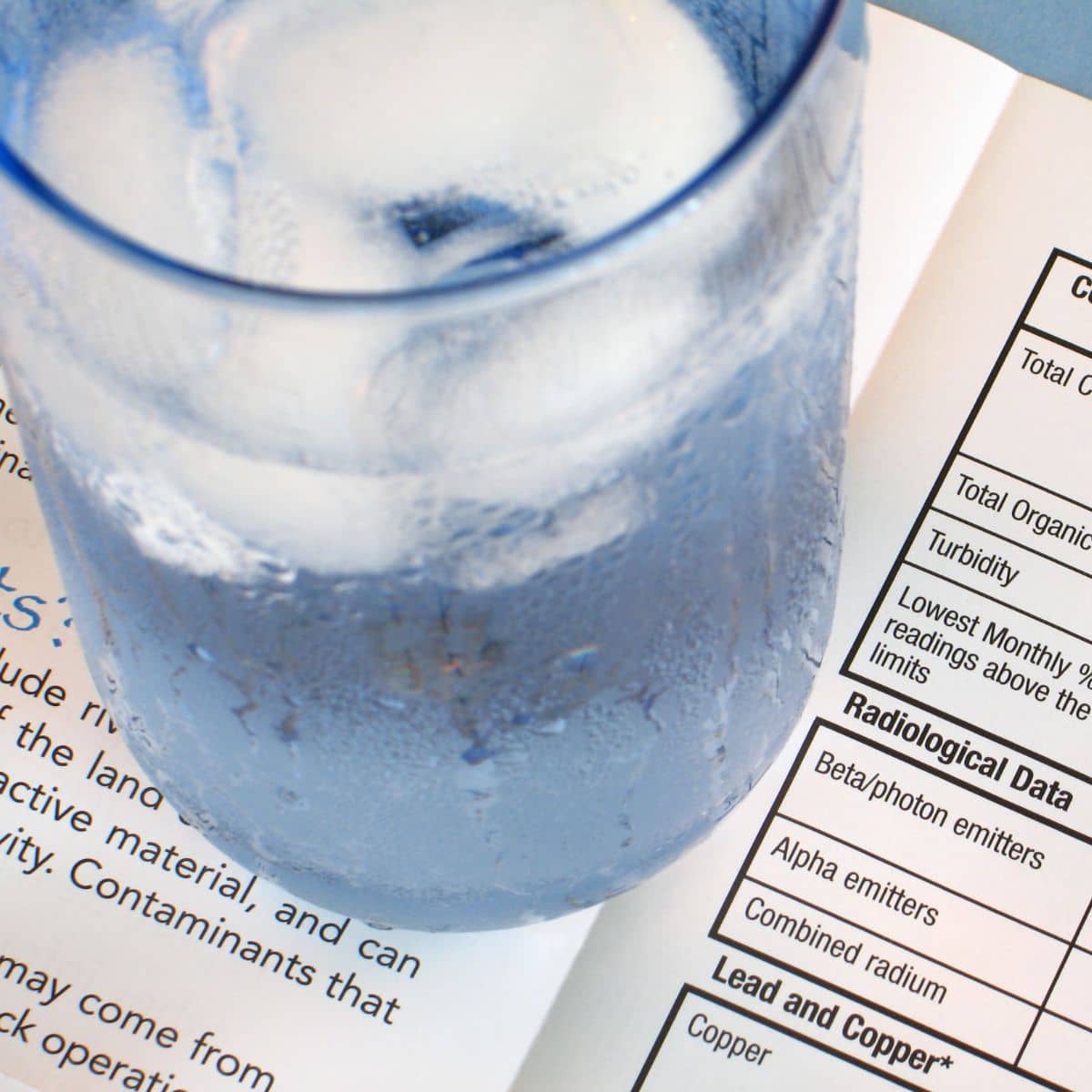
Lead is rarely the only thing worth checking. A full water quality panel commonly looks at:
Testing for lead alongside these gives a much clearer picture than a single-contaminant test, particularly for a home on a private well or one with plumbing of unknown age.
DIY strips are fine for a first look, but a few situations call for a professional inspector rather than a home test kit:
R&C Inspectors’ water quality testing service covers Greater Boston, Weymouth, and the South Shore. Our inspectors collect samples correctly the first time and send them to a certified lab, so you get results you can actually act on, whether that’s for peace of mind or a real estate closing. It’s also worth pairing with a full home inspection if you’re evaluating an older property, since plumbing age and condition are closely tied to lead risk.
Can a DIY lead test kit replace a certified lab test? Not reliably. Test strips can flag a serious problem, but they aren’t precise enough to confirm a safe result. If a DIY kit raises any concern, or if you need documented results for a sale or health decision, follow up with a certified laboratory.
How do I know if my home has a lead service line? Lead pipes are dull gray and soft enough to scratch with a key or knife (copper is orange-ish and won’t scratch; galvanized steel is silver-gray and magnetic). Your local water department can often confirm this from their records, and BWSC maintains a lead service line map for Boston properties.
Does boiling water remove lead? No. Boiling can concentrate lead rather than remove it, since the water evaporates but the lead stays behind. The only ways to reduce lead exposure are certified filtration (look for NSF/ANSI Standard 53), using cold water only for drinking and cooking, or replacing the lead source.
What happens if my water tests positive for lead? Options include installing an NSF/ANSI 53-certified filter, replacing the lead service line or affected fixtures (sometimes available at no cost through municipal programs like BWSC’s), and using only cold, freshly run water for drinking, cooking, and baby formula in the meantime.
How much does professional water testing cost? Pricing varies by scope. A standalone lead test is typically less expensive than a full multi-contaminant panel. Bundling water testing with a broader home inspection is often more cost-effective than ordering each service separately.
A few takeaways worth remembering:
If you’re not sure where your home’s water stands, R&C Inspectors’ water quality testing service can get you a clear, lab-backed answer, so you can move forward with confidence instead of guesswork.