
- Book your home inspection online today and save $25 on your next inspection! BOOK NOW!
-
 617-615-9559
 617-615-9559
Fill up the form and we will reach out to help you set up a suitable time slot for your property inspection.
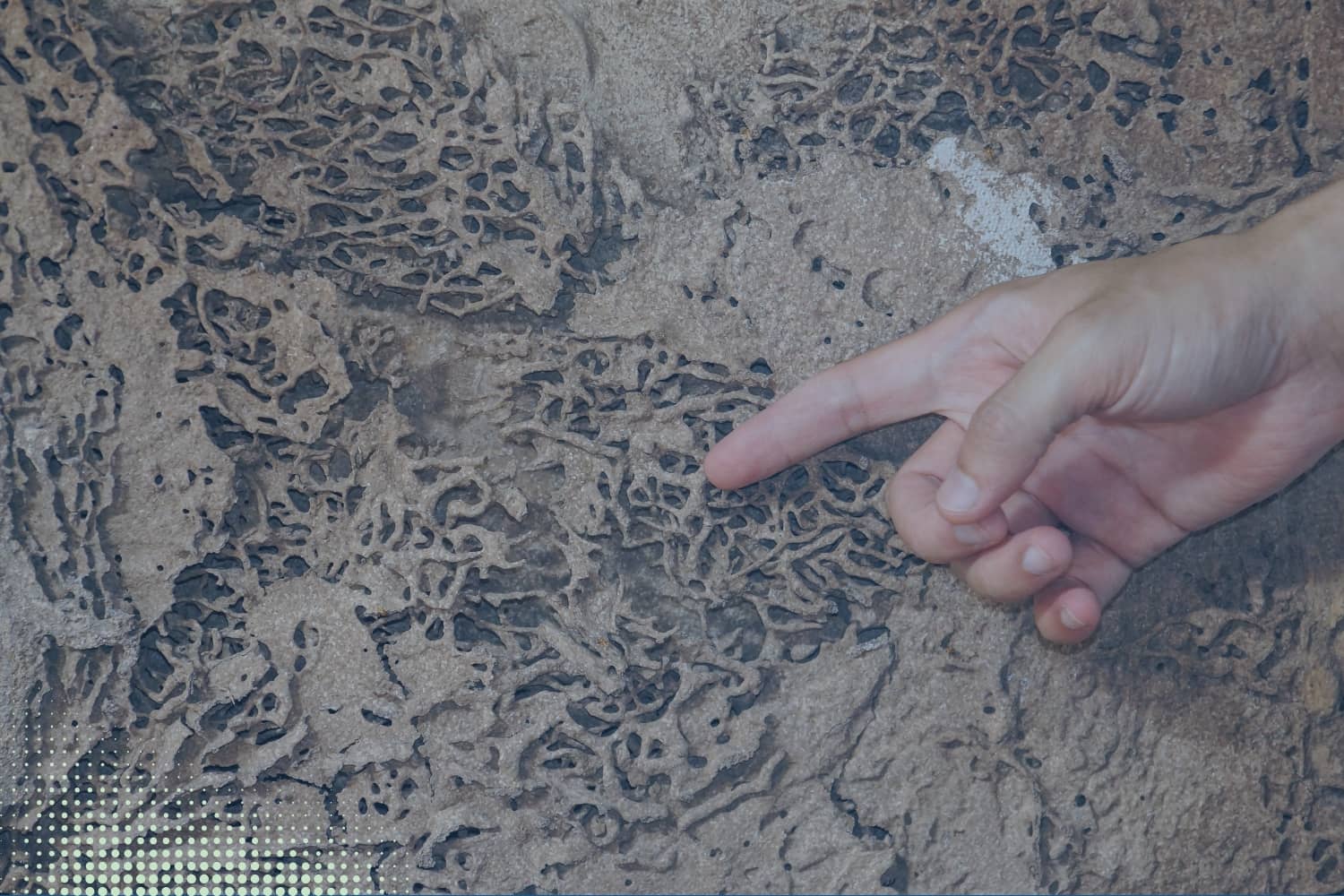
A termite inspector helps protect one of the biggest investments you will ever make, your home. Yet some of the most serious threats to that investment are easy to miss. Termites work quietly, often out of sight, causing damage long before homeowners notice a problem. That is where a professional termite services comes in.
In this guide, you will learn how a termite inspector helps protect your home’s value, prevent costly repairs, and provide peace of mind, especially if you own or plan to buy property in Weymouth or the Greater Boston area.
A termite inspector helps protect your home investment long before damage becomes visible or expensive. Many homeowners assume termite inspections are only about bugs, but they are really about money, safety, and long-term property value.
Termites feed on the wood that supports your home. Over time, they can weaken framing, beams, and other structural components without clear warning signs. When damage goes unnoticed, it can lower resale value, delay a home sale, or lead to repair bills that catch homeowners off guard.
A professional termite inspector helps spot problems early, when they are easier and far less costly to fix. For example, identifying excess moisture in a basement before termites move in can prevent both infestation and structural repairs later.
A termite inspector is trained to look beyond surface-level issues. While a homeowner might notice obvious wood damage, termites often work inside walls, beneath floors, or near foundations, where problems stay hidden.
During an inspection, a termite inspector will:
Examine accessible interior and exterior areas
Check foundations, crawl spaces, basements, and attics
Look for active termites and past damage
Identify moisture conditions that attract termites
Document findings clearly for homeowners or buyers

Clear documentation is especially important during real estate transactions. Inspection reports help homeowners understand what needs attention now versus what can be monitored over time.
Local experience matters. Homes in Massachusetts often include basements, older framing materials, and moisture patterns that a local termite inspector knows how to evaluate accurately.
Termite damage is rarely cosmetic. It often affects load-bearing and structural areas, which is why it raises concerns for homeowners, buyers, and lenders alike.
Common risks include:
Weakened floor joists and beams
Damage behind walls that goes unnoticed
Reduced resale value during a home sale
Failed inspections that delay closings
Repairs that are not covered by insurance
Even old or inactive termite damage can raise red flags during negotiations, sometimes leading to price reductions or lost deals.
Termites are experts at staying out of sight. A trained termite inspector knows where termites prefer to hide and which conditions allow them to thrive.
Typical inspection focus areas include:
Foundation walls and sill plates
Basements and crawl spaces
Areas with past water leaks
Wood near soil or mulch
Garages, decks, and porches
In New England homes, moisture is often the biggest clue. Inspectors frequently connect termite risk to poor drainage, older construction methods, or seasonal humidity. This is where professional experience makes a real difference.
Catching termite activity early can save homeowners thousands of dollars and prevent major disruption. The timing of discovery makes a significant difference in both cost and stress.
| Timing of Detection | Typical Findings | Repair Impact | Cost and Disruption |
|---|---|---|---|
| Early inspection | Minor activity or moisture issues | Little to no structural damage | Lower costs and minimal disruption |
| Early inspection | Preventive concerns only | Simple fixes or monitoring | Affordable and proactive |
| Late discovery | Extensive hidden damage | Major structural repairs | High repair costs |
| Late discovery | Damage found during home sale | Delayed or failed closing | Financial and timeline stress |
| Late discovery | Long-term infestation | Ongoing repair needs | Higher long-term expenses |
With early inspections, problems are usually manageable. When termites are found late, repairs are more invasive and often affect daily life or real estate plans.
A termite inspector helps homeowners move from reacting to damage to actively protecting their home investment.
Not all inspections are equal. A local termite inspector brings regional knowledge that national or out-of-area providers may lack.
Benefits of working with a local inspector include:
Familiarity with regional building styles
Understanding of local termite behavior
Experience with common moisture issues in Greater Boston homes
Clear communication and faster follow-up
This local insight helps homeowners make informed decisions without unnecessary guesswork.
For buyers, sellers, and investors, a termite inspection plays a direct role in protecting both finances and closing timelines. Termite issues discovered late in a transaction often lead to delays, renegotiations, or even canceled deals.
A termite inspector helps by:
Identifying issues early, before they become last-minute problems during escrow
Providing clear documentation that lenders, buyers, and agents can rely on
Helping buyers understand real risks, so minor findings do not get confused with serious structural concerns
Giving sellers time to address problems, which can prevent price reductions or buyer hesitation
For example, a buyer who learns about old termite damage early can move forward with confidence if repairs are documented. Without that clarity, the same issue discovered just before closing could delay or derail the sale entirely.
This is also a smart place to add internal links to the termite inspection service page, home buyer inspection services, and inspection report FAQs so readers can take the next step.
Staying ahead of termite risks does not require constant worry, just consistent habits. This simple checklist helps homeowners reduce the chances of damage between professional inspections.
Schedule a termite inspection every few years, or sooner if your home has moisture issues or a history of termites
Watch for moisture problems in basements and crawl spaces, since termites are drawn to damp wood
Keep wood, mulch, and debris away from the foundation to reduce easy access points
Fix leaks and drainage issues quickly, before they create long-term conditions that termites love
Call a termite inspector if you notice mud tubes, damaged wood, or winged insects
These small steps can make a big difference in preventing larger problems.
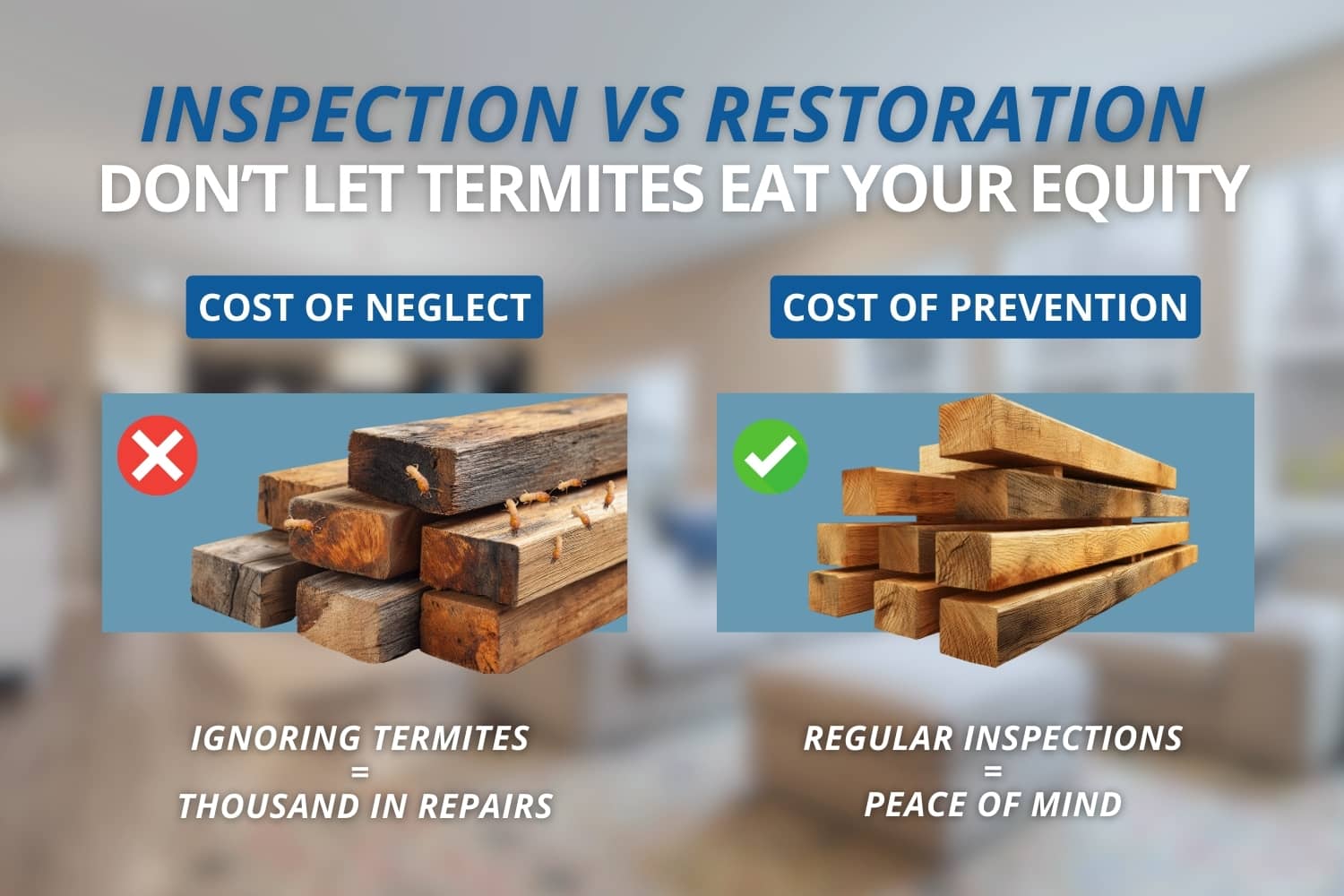
Some homeowners choose to go a step further, especially if their home is older or used as an investment property. These steps are optional but can provide added peace of mind.
Advanced options include:
Annual monitoring in high-risk areas, which helps catch changes early
Combining termite inspections with full home inspections, so moisture, structure, and pests are evaluated together
Tracking moisture readings over time, especially in basements or crawl spaces prone to dampness
These strategies are most useful for older homes, rental properties, or homeowners planning to sell in the future.
There are certain situations where a termite inspection is especially important because the financial stakes are higher.
Key moments to schedule an inspection include:
Before buying a home
Before listing a home for sale
During routine home maintenance
After water damage or flooding
If you notice mud tubes, wood damage, or winged insects
In Massachusetts, termite activity tends to increase during warmer months. Spring and summer inspections are a smart way to catch problems early, before peak activity causes more damage.
How often should I hire a termite inspector
Every few years is typical, or sooner if there are risk factors like moisture or past damage.
Are termite inspections required in Massachusetts
They are often required during real estate transactions, especially for certain loan types.
Can a termite inspector find old damage
Yes. Inspectors look for both active infestations and signs of past activity.
What happens if termites are found
If termites are found, the inspector documents the issue and explains recommended next steps, which may include treatment, repairs, or monitoring depending on the severity.
Understanding the inspection findings helps homeowners avoid panic and make informed decisions.
How long does a termite inspection take
Most termite inspections take one to two hours, depending on the size, age, and condition of the property. Homes with basements, crawl spaces, or moisture issues may take longer to inspect thoroughly.
Termites do not announce themselves, but the damage they cause can be costly and stressful. A professional termite inspector helps protect your home, your budget, and your peace of mind.
If you own a home or are buying property in Weymouth or the Greater Boston area, now is the time to act.
Schedule a termite inspection today to protect your home investment and get clear answers from a trusted local inspection professional.