
- Book your home inspection online today and save $25 on your next inspection! BOOK NOW!
-
 617-615-9559
 617-615-9559
Fill up the form and we will reach out to help you set up a suitable time slot for your property inspection.
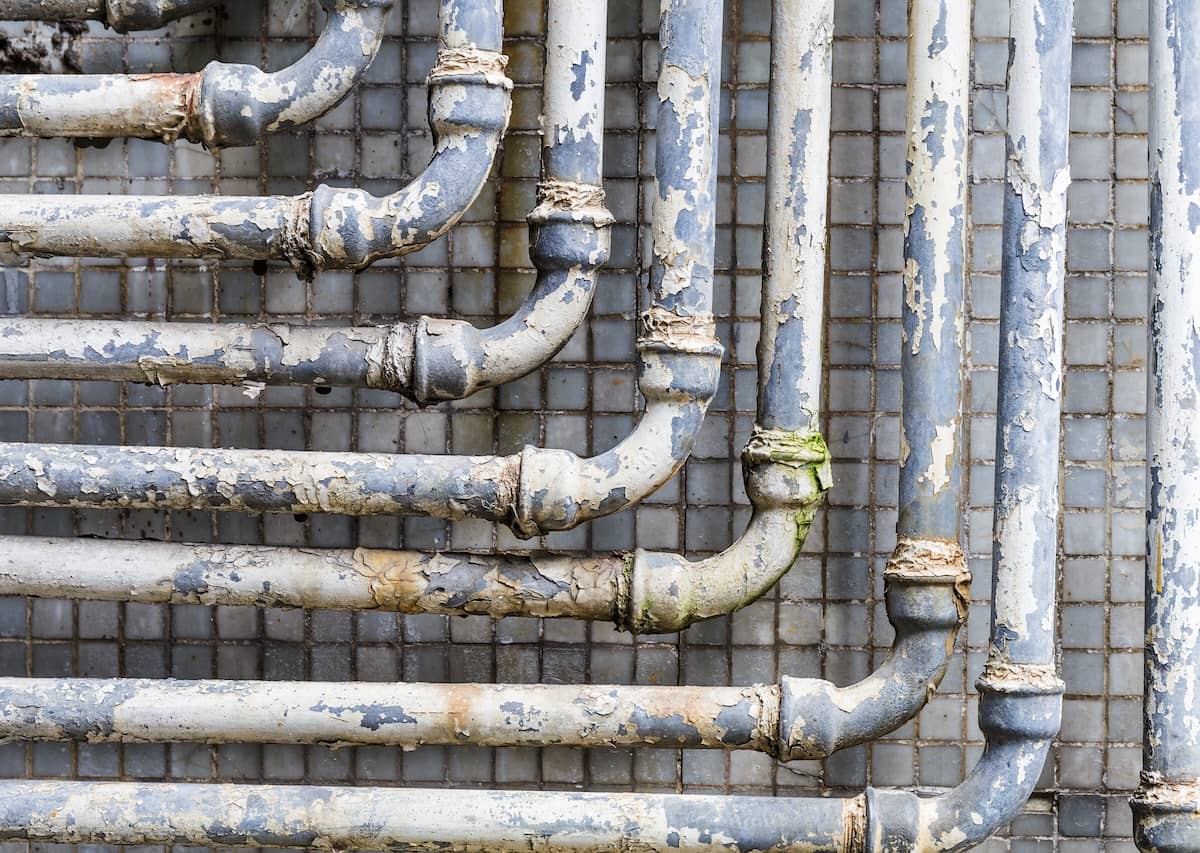
Galvanized plumbing is steel water pipe coated in zinc to slow rust. It was the go-to choice for homes built from the early 1900s through the 1960s, and it is still hiding in basements across Greater Boston. The problem is that the zinc wears away over time, and the steel underneath rusts from the inside out.
At R&C Inspectors, galvanized pipe is one of the most common plumbing items we flag in older homes, from Quincy triple-deckers to Newton colonials. Below, we cover how to spot it, what problems it causes, and what it means if you find it in a house you want to buy.
Galvanized plumbing is a system of steel pipes that were dipped in molten zinc before they were installed. The zinc acts as a shield. As long as it stays intact, the steel underneath does not rust.
Builders started using galvanized pipe to replace lead pipe, which was known to be a health risk. It was cheaper than copper and strong, so it became the standard for water supply lines in houses for several decades. By the 1960s and 1970s, copper took over, and today most new homes use copper or PEX (a flexible plastic tubing).
Here is how galvanized pipe compares to the materials you will see in newer homes:
| Pipe material | Common era in homes | Color and look | Typical lifespan | Main concern |
|---|---|---|---|---|
| Galvanized steel | Early 1900s to 1960s | Dull silver-gray, threaded joints | 40 to 60 years | Rusts inside, low water pressure, can hold lead |
| Copper | 1960s to today | Orange-brown, soldered joints | 50+ years | Pinhole leaks in some water conditions |
| PEX | 1990s to today | Red, blue, or white flexible plastic | 40 to 50 years | Damage from sunlight and rodents |
| Lead | Before the 1930s (service lines into the 1980s) | Dull gray, soft, scratches easily | Varies | Lead exposure |
A large share of homes in Greater Boston were built before 1960, which is exactly when galvanized pipe was in its prime. Towns like Somerville, Medford, Quincy, and Weymouth are full of early-1900s triple-deckers, capes, and colonials that were plumbed with it.
Many of these homes have been partly updated over the years. A kitchen remodel in the 1990s might have added copper under the sink, while the main lines in the basement are still the original galvanized steel. That mix is what we see most often during inspections. It means a home can look updated at the fixtures and still have 70- or 80-year-old pipe feeding them.
New England water and weather also play a role. Older homes here often have pipes running along cold exterior walls and through unheated basements. Years of condensation on the outside of the pipe add surface rust to the corrosion already happening inside.
Most galvanized water pipe lasts about 40 to 60 years, though estimates range widely depending on water chemistry and how the system was installed. If your home still has its original galvanized supply lines from the 1950s or earlier, those pipes are already past their expected lifespan.
The tricky part is that this pipe fails from the inside. As the zinc wears away, rust and mineral scale build up on the inner walls. The opening inside the pipe gets smaller and smaller, like a clogged artery. A pipe can look fine on the outside while it is badly narrowed inside.
Some factors that shorten its life:
You can often identify galvanized pipe yourself in a few minutes. The best place to look is in the basement near the water meter, where the main line enters the house.
Keep in mind that you can usually only see a small part of a home’s plumbing. Most of it runs inside walls, floors, and ceilings.
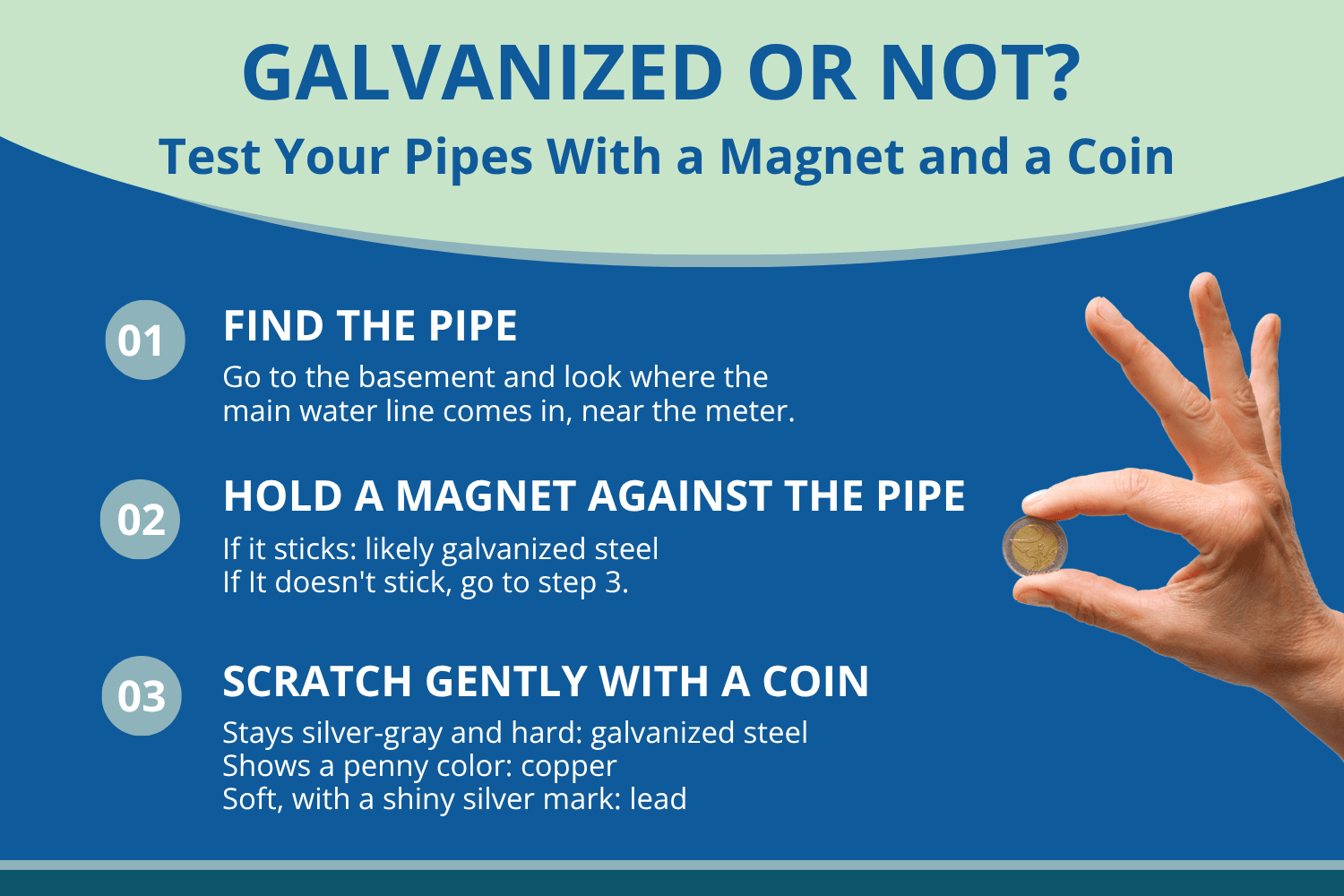
Old steel pipe gives off warning signs as it wears out. These are the ones we pay close attention to during an inspection:
If you notice rust-colored water, a water quality test can tell you what is in the water, including iron and lead levels.
Pipes in good condition do not automatically make water unsafe. The bigger concern is lead. If a galvanized pipe was ever connected to a lead service line, lead can build up in the rust scale inside it and be released into the water later, even after the lead line is gone.
This risk is serious enough that federal and state rules now track it. The EPA uses the term “galvanized requiring replacement” for galvanized service lines that are or were downstream of a lead line. A Massachusetts state guide explains that these lines have shown they can absorb lead and release it over time, so water systems must list them in their service line inventory and work to replace them.
Many Greater Boston water departments have mailed notices to homeowners with galvanized or unknown service lines. If you are buying an older home, ask the seller whether they have received one. You can also check your town’s public service line inventory. Our guide on how to test for lead in water walks through how to get a reliable lab result.
Finding galvanized pipe in an inspection report is common in this area, and it does not mean you should walk away. It does mean you should plan for it, both in your budget and in your negotiations.
Here is what galvanized plumbing can affect during a purchase:
Before you close, we recommend getting a written quote from a licensed Massachusetts plumber. That turns a line in an inspection report into a real number you can negotiate with.
During a home inspection, our inspectors look at the visible supply and drain piping. We run multiple fixtures at the same time to check how much the water pressure drops, look for active leaks and old repairs, and note where different pipe materials meet. We also use infrared scanning to look for hidden moisture behind walls and ceilings that can point to a leaking pipe.
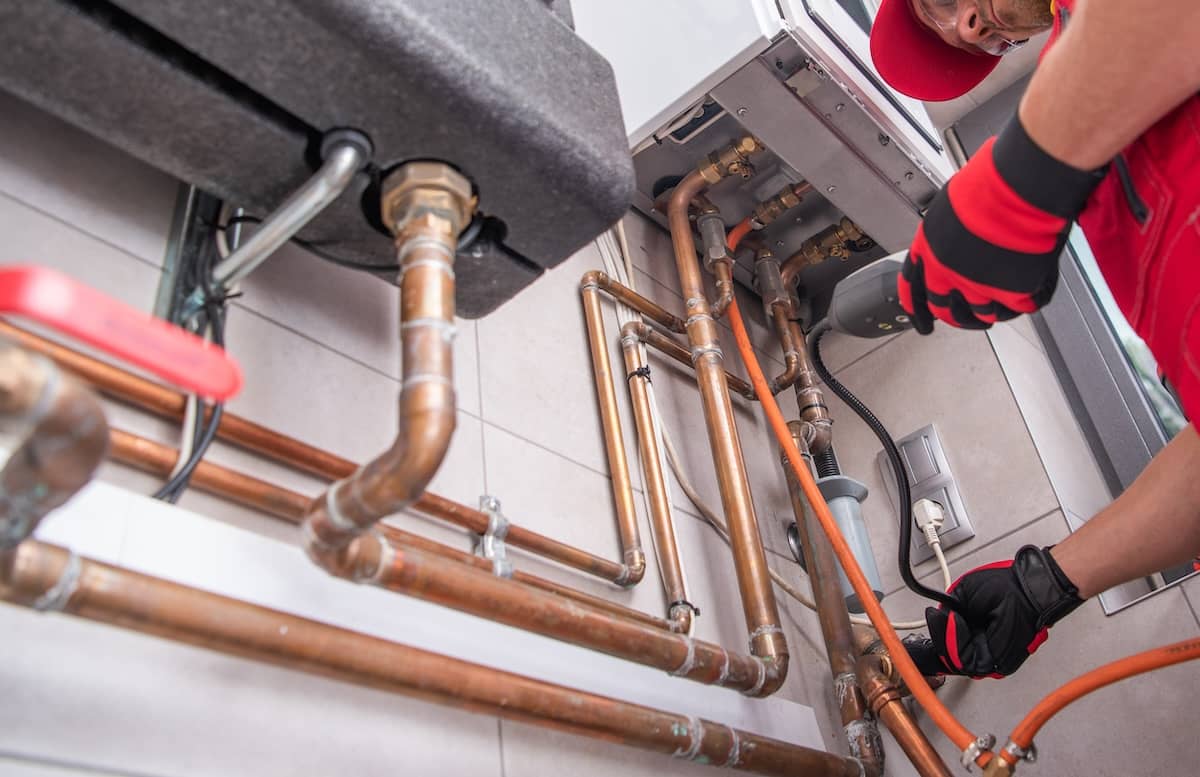
A standard home inspection is visual and non-invasive, so we cannot see inside the walls or inside the pipes themselves. If the report shows galvanized pipe with low pressure or leaks, the next step is a licensed plumber.
Not for drinking water today. Galvanized pipe is still used for some outdoor and structural jobs, but it is no longer installed as water supply pipe in homes. It rusts from the inside over time, which lowers water pressure and can trap lead.
Most builders stopped using galvanized pipe for home water lines in the 1960s, when copper became the standard. Some homes still had it installed into the 1970s and later, so a home’s age alone does not guarantee what is in the walls.
You can, as long as you go in with a plan. Get a home inspection, ask a licensed plumber for a replacement quote, and check with your insurance agent. Then use those numbers to negotiate a fair price or credit.
The pipe itself is steel, but galvanized pipe can collect lead if it was ever connected to a lead service line. The zinc coating on some older pipe also contained small amounts of lead. A certified lab test is the only way to know what is in your water.
It depends on the carrier. Some insurers will write a policy but charge more or limit water damage coverage, and others may require the pipes to be replaced. Ask your agent early in the buying process so there are no surprises before closing.
They can be. Older homes sometimes have galvanized drain and vent pipes that clog and rust through over time. A sewer scope inspection can check the main line that carries wastewater out of the house.
You can often spot old steel pipe on your own, but some situations call for a trained inspector or a licensed plumber:
R&C Inspectors serves Weymouth, Boston, and the surrounding South Shore and MetroWest towns. Our detailed reports include photos of every plumbing issue we find, so you and your plumber know exactly what you are dealing with.
A few key points to keep in mind:
If you are buying an older home, a thorough inspection is the best way to know what you are getting. Schedule a home inspection with R&C Inspectors and get a clear, photo-backed report before you commit.