
- Book your home inspection online today and save $25 on your next inspection! BOOK NOW!
-
 617-615-9559
 617-615-9559
Fill up the form and we will reach out to help you set up a suitable time slot for your property inspection.
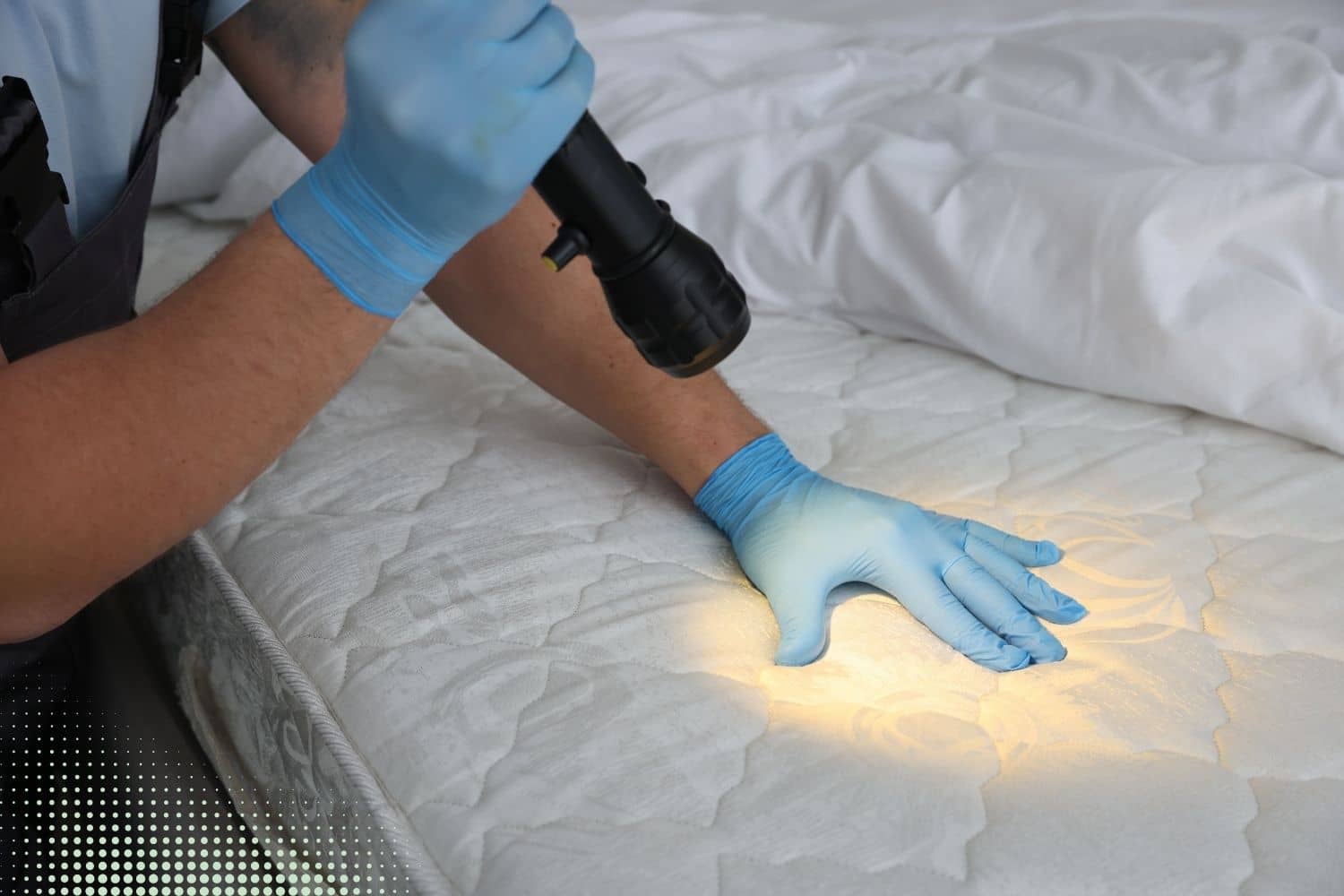
A pest inspection is a focused, room-by-room check for termites, rodents, and other wood-destroying pests, and a licensed inspector typically completes one in one to two hours. If you’re buying a home anywhere from Weymouth to Newton, or you just want peace of mind about the one you already own, knowing what happens during that visit takes the guesswork out of the day.
At R&C Inspectors, we hear the same two questions on almost every job: what is the inspector actually looking for, and how do I get the house ready? Here’s a walkthrough of the whole process, what your report will tell you, and when it’s worth calling in a professional.
A pest inspection is a specialized, separate service from a general home inspection, and it focuses entirely on finding pests and pest damage rather than the home’s overall systems and structure. It covers a wider range of pests than a termite inspection alone: termites, carpenter ants, rodents, bed bugs, cockroaches, and other wood-destroying or structure-damaging pests, depending on your region and property type.
This distinction trips a lot of buyers up. A termite inspection, sometimes called a Wood Destroying Insect (WDI) inspection, looks specifically at termites and other wood-boring insects. A pest inspection is broader. Our InterNACHI-certified inspectors at R&C cover both in a single visit, so you get one report instead of scheduling two separate services.
Massachusetts doesn’t legally require a pest inspection for every home sale, but many lenders do, especially for VA-backed loans, and it’s one of the most common add-ons buyers request alongside a standard home inspection.
A pest inspector examines both the interior and exterior of the property, plus every space pests like to hide: attics, crawl spaces, basements, and the foundation perimeter. Here’s what’s on the checklist:
Along with a visual inspection, R&C inspectors use moisture meters and thermal imaging to catch issues that aren’t visible to the naked eye, like a damp wall cavity that’s inviting termites in behind the drywall. Our approach follows the same integrated pest management principles the EPA recommends: inspect first, identify the pest, then treat only what’s actually there.
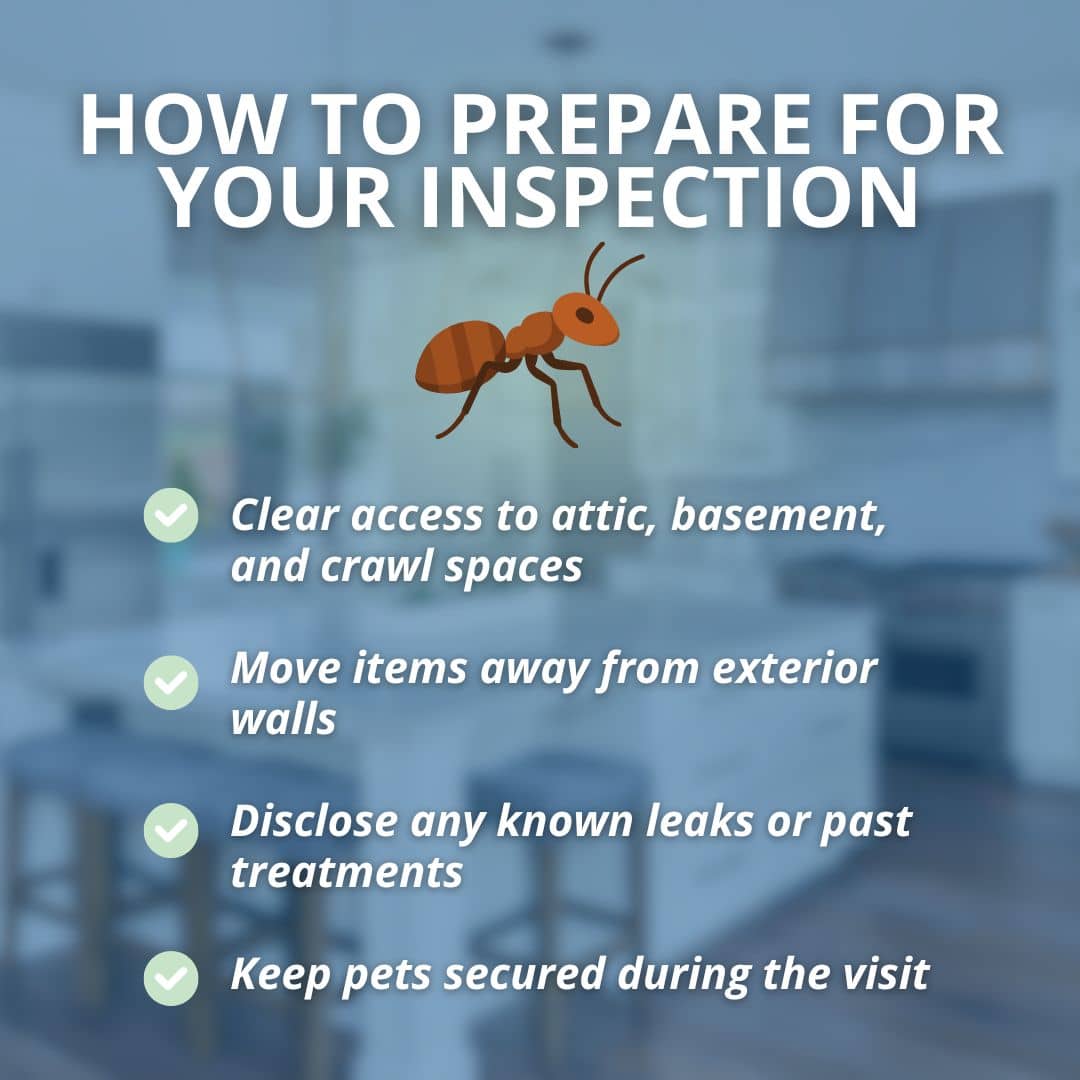
A few minutes of prep before your inspector arrives makes for a faster, more thorough visit:
If you have a big house, a finished basement, or hard-to-reach crawl spaces, plan on the visit running toward the longer end of the window below.
Most pest inspections take one to two hours, though the exact time depends on the size of the home, how accessible the crawl spaces and attic are, and whether the inspector finds anything that needs a closer look. A smaller condo with easy access might wrap up closer to 45 minutes; a larger single-family home with a finished basement and detached garage can run longer.
The report itself usually follows within a day or two of the visit. If pests or damage turn up, you may be scheduled for a follow-up inspection after treatment or repairs are complete.
Your pest inspection report, sometimes called a Wood Destroying Insect (WDI) or WDO report, documents exactly what the inspector found and what it means for your property. Expect it to include:
Lenders and real estate agents often request this report directly for VA loans, FHA loans, or as part of a purchase agreement, so it’s worth asking your inspector for a copy formatted for that purpose if you know you’ll need one. Our report format follows the standard used and recognized by the National Pest Management Association, so it holds up whether you’re handing it to a lender, an agent, or just keeping it for your own records.
Pest inspection costs typically run somewhere between $75 and $300, depending on your region, the size of the home, and whether it’s a standalone visit or bundled with a full home inspection. VA loan pest inspections often fall on the lower end of that range, closer to $50–$150.
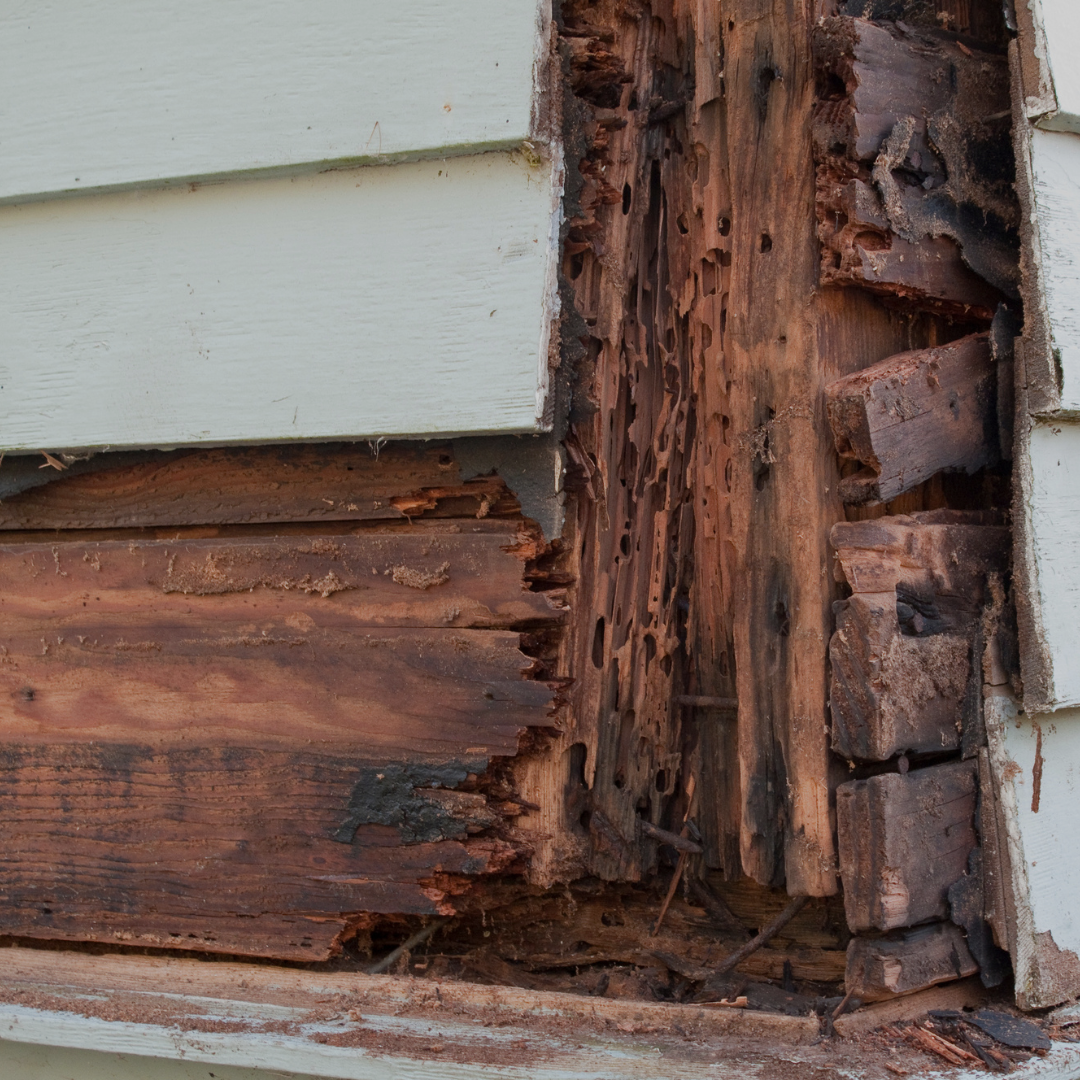
A termite inspection focuses only on termites and other wood-destroying insects, while a pest inspection covers a wider range: termites, rodents, carpenter ants, bed bugs, and other pests that can damage a structure or pose a health risk. If you’re only worried about termites, a termite-specific inspection may be enough. Curious what termite damage actually looks like? Here’s our guide to subterranean termite damage signs you shouldn’t ignore.
VA loans require a pest inspection in certain regions, particularly areas the VA classifies as “moderate to heavy” or “very heavy” risk for termite activity. In lower-risk areas, it’s typically only required if the appraiser flags a potential issue. Massachusetts falls into a moderate-risk category, so it’s common for VA lenders here to request one.
If your inspector finds pest damage, your report will outline the extent of it and recommend treatment or repair before you move forward. This doesn’t automatically mean the deal falls apart. Minor issues, like a small area of past termite activity with no active infestation, are often resolved with a simple treatment or a repair credit at closing.
Most homeowners benefit from an annual pest inspection, even without any visible signs of a problem, since pests like termites and carpenter ants often stay hidden behind walls or under floors for months before damage becomes obvious. If you live in an older home, or one with a history of moisture issues, twice a year is worth considering. For simple prevention steps you can take between visits, see our pest prevention tips for Boston homeowners.
A little of your own vigilance goes a long way between inspections: sealing obvious gaps, keeping firewood away from the foundation, and fixing leaks quickly. But once you notice actual signs of activity, hollow-sounding wood, discarded termite wings, droppings, or damage around door and window frames, it’s time to call a licensed inspector rather than guess. The same goes for any real estate transaction: buyers, sellers, and lenders all rely on a documented, professional report, not a homeowner’s best guess.
R&C Inspectors serves Weymouth and the greater South Shore and Boston area, and our pest inspection service pairs a full interior and exterior check with the same thermal imaging and moisture-detection tools we use on our standard home inspections, so you’re not paying for two separate visits to get the full picture.
A pest inspection doesn’t have to be stressful once you know what’s coming: a licensed inspector checks your interior, exterior, attic, and crawl spaces, hands you a documented report within a day or two, and flags anything that needs treatment or repair. A little prep, clearing access points and disclosing what you already know, makes the whole visit faster and more accurate.
If you’re getting ready to buy, sell, or just want an annual check on your home, schedule a pest inspection with R&C Inspectors and get a clear, documented answer instead of a guess